Bowen Therapy and Holistic Wellness


No Single Modality Fits Every Body
I was speaking with a colleague the other day — always a pleasure when conversations drift into the shared passion of helping people feel and function better. One topic that stood out was the divide we occasionally see within the world of bodywork and complementary therapies. We reflected on how some practitioners become deeply convinced that their particular modality is the only approach capable of delivering genuine relief or lasting results.
By the end of the conversation, we both agreed on something important. Complete belief and commitment to your craft is often the mark of a dedicated and passionate practitioner. But we also agreed that just as there is no standard “one size fits all” body, there is no single “one size fits all” modality either.
Every person is different. Every nervous system, injury history, lifestyle, stress load, posture pattern, and emotional experience is unique. Because of this, healing and wellness often require a more personalised and open-minded approach rather than rigid loyalty to a single therapy style.
One of the most beneficial shifts happening within the wellness industry is the growing recognition that many modalities can work beautifully together, each offering something slightly different to support the body’s natural ability to heal and regulate itself.
How Bowen Therapy Works Alongside Other Therapies for Holistic Wellness
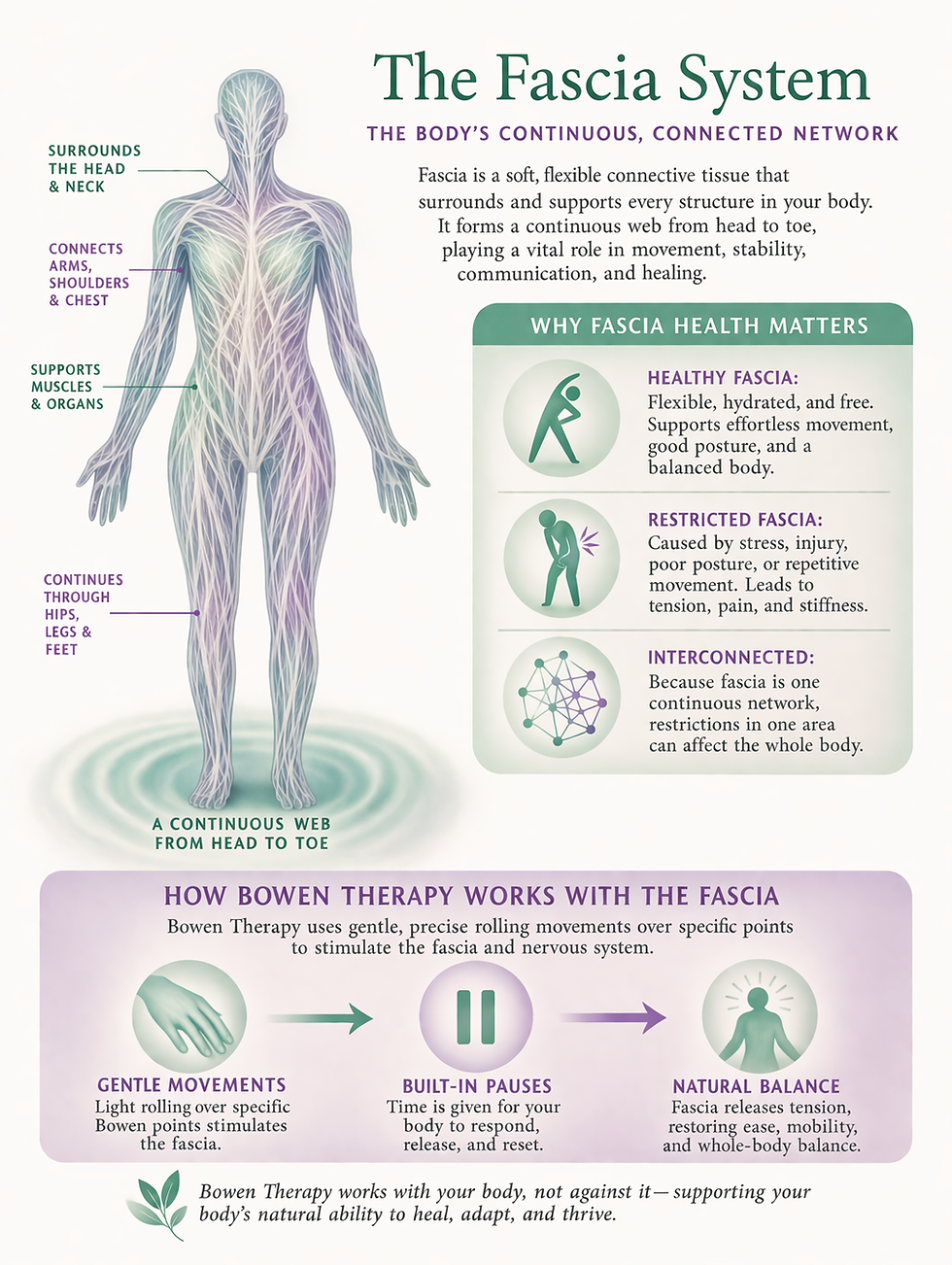
Bowen Therapy is a great example of this complementary approach and how using it in a complementary setting can lead to holistic wellness. Rather than aggressively forcing change, Bowen works gently with the nervous system, fascia, muscles, organs and connective tissue to encourage the body into a more balanced and restorative state. Most people experience deep relaxation, improved mobility, reduced tension, pain reduction and a greater sense of overall wellbeing after treatment.
What makes Bowen particularly powerful is how well it can sit alongside other therapies.
For example, chiropractic care often focuses on spinal alignment, joint mechanics, and structural function. When combined thoughtfully with Bowen Therapy, the body is better able to relax surrounding muscular tension and holding patterns that can contribute to joint restriction. Bowen can also help the nervous system settle and support the body in maintaining changes achieved through chiropractic adjustments.
Physiotherapy offers another valuable perspective. Physiotherapists commonly focus on rehabilitation, strength, biomechanics, and recovery from injury or surgery. Bowen Therapy can complement this process by helping reduce protective muscle guarding, calming an overstimulated nervous system, providing pain relief and improving overall body awareness.
Together, these approaches may support both the structural and functional sides of recovery.
Kinesiology also brings a unique dimension to holistic wellness. While approaches can vary between practitioners, kinesiology often explores the relationship between muscle function, stress, emotional wellbeing, energy balance, and lifestyle factors. Bowen Therapy’s gentle nature works well alongside kinesiology by helping the body shift into a more relaxed and receptive state, potentially allowing deeper patterns of stress and tension to unwind.
A More Holistic Approach to Wellbeing
Importantly, none of this means one modality is “better” than another (although, Bowen comes close to achieving this…). It simply recognises that the human body is incredibly complex. What works brilliantly for one person may not be the ideal fit for someone else. Sometimes a person may benefit from structural work. Other times they may need nervous system support, rehabilitation exercises, stress reduction, emotional support, or simply a practitioner who listens carefully and approaches their care collaboratively.
True holistic wellness is rarely about competition between therapies. It is about understanding the strengths of different approaches and appreciating how they may work together in support of the individual person sitting in front of you.
At the heart of all good bodywork and wellness care should be the same goal: helping people move more freely, feel more comfortable, reduce stress, and improve quality of life.
When practitioners remain open-minded, collaborative, and focused on the wellbeing of the client rather than defending a single method, everybody benefits. After all, health is rarely a straight line — and sometimes the best outcomes come not from choosing one path alone, but from thoughtfully combining several supportive approaches along the way.


Comments